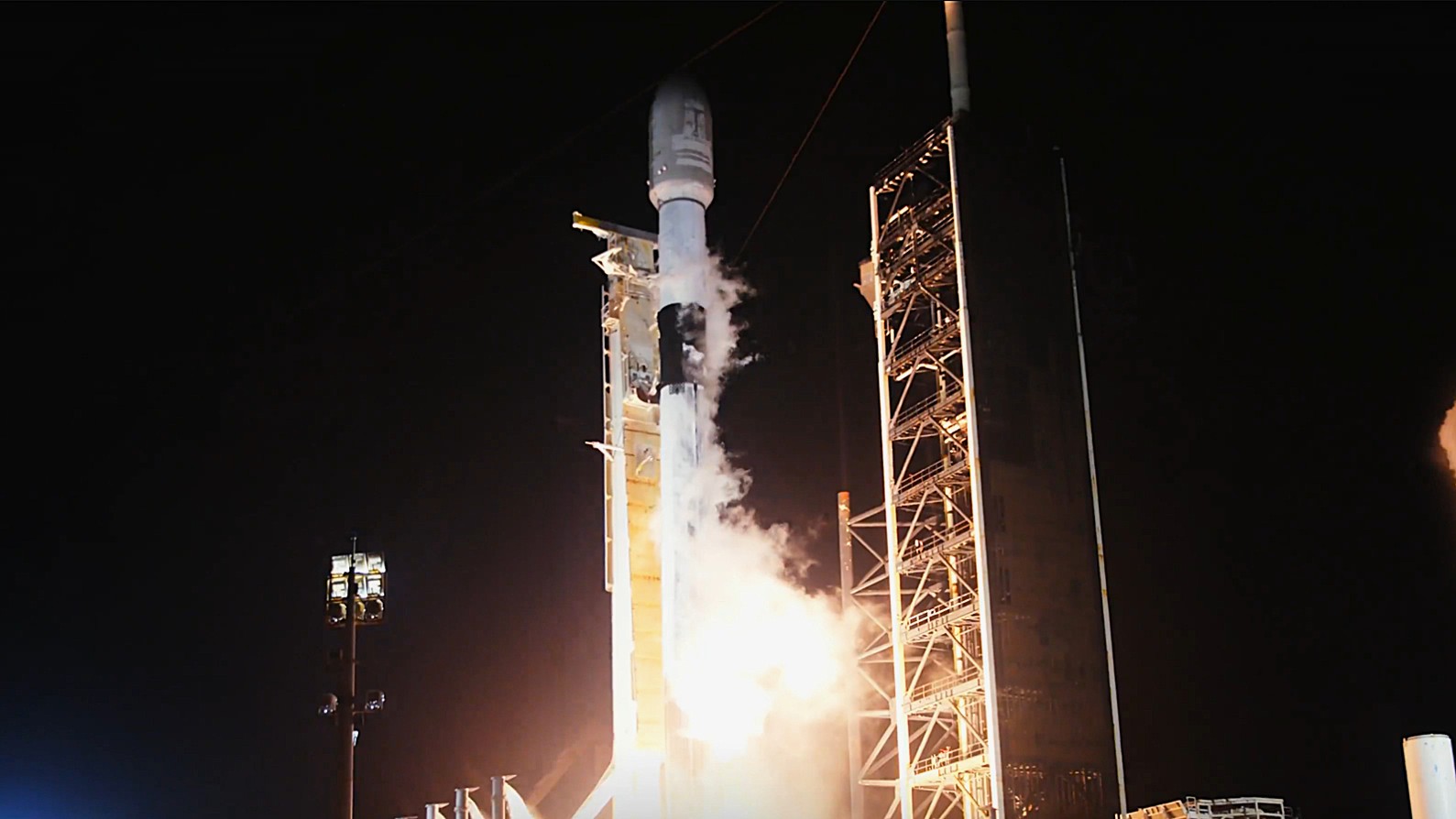
Let’s cut the bullshit: SpaceX is about to pull off the most audacious IPO in history. A $1.75 trillion valuation. A 30% retail allocation. A Nasdaq debut that could instantly make it the most valuable company in the world—bigger than Apple, bigger than Microsoft, and twice the size of Nvidia. Oh, and it’s happening while the U.S. and Iran are trading missiles, oil is flirting with $100 a barrel, and the Nasdaq is down 12% from its highs. What could go wrong?
This isn’t just an IPO. It’s a stress test for the entire market. And if you’re not paying attention, you’re going to get played.
The Nasdaq’s New King: A Company That Doesn’t Care About Profits
SpaceX’s targeted valuation of $1.5–$1.75 trillion would instantly catapult it into the top spot of the Nasdaq-100, the index tracked by QQQ. For context, Apple—the current heavyweight—sits at around $3 trillion, but SpaceX would be breathing down its neck. And unlike Apple, which prints cash like a counterfeit operation, SpaceX is a capital-guzzling machine. Rockets, satellites, AI—pick your poison. Profits? Not the priority.
This isn’t just about size. It’s about what SpaceX represents: a company that operates more like a nation-state than a business. It has its own currency (Starlink subscriptions), its own foreign policy (satellite diplomacy), and its own military contracts (Pentagon launches). And now, with the xAI merger, it’s adding artificial intelligence to the mix—a sector so frothy that even Nvidia’s valuation is starting to look sane by comparison.
The Retail Frenzy: Why 30% Allocation Is a Red Flag
SpaceX is reserving 30% of its IPO for retail investors. That’s not generosity—it’s a calculated move to juice demand. Retail investors are the lifeblood of meme stocks, and SpaceX is about to become the ultimate meme stock with a trillion-dollar price tag. We’ve seen this movie before: Rivian, Airbnb, even Arm Holdings. Retail piles in, institutions take profits, and the little guy gets left holding the bag.
A 30% retail allocation isn’t an IPO—it’s a cult recruitment drive. And the Nasdaq is the church.
Here’s the kicker: SpaceX doesn’t need the money. It’s already the dominant player in commercial space launches, with a 60%+ market share and a monopoly on reusable rocket technology. It could stay private for another decade and keep minting money. So why go public now? Because Elon Musk knows something the rest of us don’t: the window for outrageous valuations is closing. The Fed is still figuring out when to cut rates, oil is volatile, and geopolitical risks are rising. If SpaceX waits, it might not get $1.75 trillion. It might get $1 trillion. And in Musk’s world, that’s a failure.
The ETFs That Are About to Bet Big—Whether They Like It or Not
SpaceX’s IPO isn’t just a company going public. It’s a seismic event for the ETFs that track the Nasdaq, space technology, and disruptive innovation. Let’s break it down:
Then there’s ARKK, Cathie Wood’s flagship fund. ARKK has been betting on space technology and AI for years, and SpaceX’s merger with xAI checks both boxes. If ARKK doesn’t load up on SpaceX, it’s either because Wood has lost her nerve or because the fund’s investors have finally wised up. My money’s on the former.
The Geopolitical Wildcard: Oil, War, and a Nasdaq on Life Support
Here’s the part no one’s talking about: SpaceX is going public at the worst possible time. The U.S.-Iran conflict is escalating, oil prices are volatile, and the Nasdaq is already under pressure. The last time we saw this kind of geopolitical risk, the market didn’t just dip—it plunged. And SpaceX? It’s not just a tech stock. It’s a bet on global stability.
Starlink, SpaceX’s satellite internet business, is a critical tool for governments and militaries. That makes it a target. If Iran—or any other adversary—decides to disrupt Starlink, SpaceX’s valuation could crater overnight. And let’s not forget: SpaceX’s rockets are its bread and butter. A single launch failure, a single geopolitical misstep, and suddenly $1.75 trillion starts to look like a fantasy.